

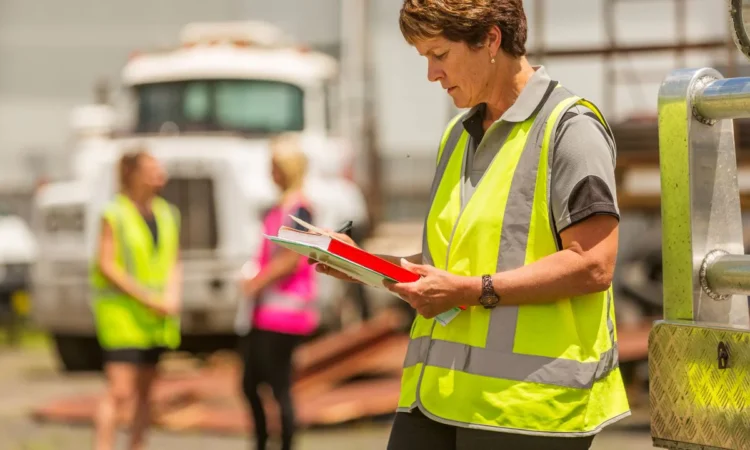

Construction sites are dynamic environments where heavy machinery, moving vehicles, elevated work platforms, and busy teams operate simultaneously. With so many moving parts, maintaining clear visibility of every worker on site is critical for preventing accidents and ensuring smooth operations.
One of the most effective and widely adopted safety measures in the construction industry is high-visibility clothing. From vests to jackets and shirts, these garments are designed to make workers easier to spot in busy, noisy, and sometimes hazardous environments. In particular, lightweight options like hi vis singlets have become increasingly popular on Australian worksites, especially in warmer climates where comfort and safety must go hand in hand.
Understanding how high-visibility clothing works-and why it is so important-can help construction teams improve safety outcomes and reduce the risk of workplace incidents.
The Visibility Challenge on Construction Sites
Construction environments are often visually cluttered. Workers share the site with excavators, forklifts, cranes, delivery trucks, and other machinery. In addition, poor weather, low light, dust, and noise can further reduce situational awareness.
Common visibility risks include:
- Workers blending into the surrounding environment
- Operators unable to see nearby personnel
- Low-light conditions during early mornings or late afternoons
- Visual obstruction from equipment or materials
Even experienced operators can struggle to see someone if that person is wearing neutral or dark-coloured clothing. High-visibility garments address this risk by ensuring workers stand out clearly against their surroundings.
How High-Visibility Clothing Works
High-visibility clothing improves safety through two main design elements: fluorescent colours and reflective materials.
Fluorescent Colours for Daytime Visibility
Fluorescent colours such as bright yellow, orange, and lime green are highly effective in daylight conditions. These colours absorb ultraviolet light and reflect it back as visible light, making the wearer appear brighter and more noticeable. This heightened contrast allows machinery operators and co-workers to quickly identify a worker’s location-even from a distance.
Reflective Strips for Low-Light Conditions
Reflective tape or strips are integrated into high-visibility garments to enhance visibility in darker environments. These materials reflect light back toward its source, such as vehicle headlights or work lights. As a result, workers remain visible during:
- Night shifts
- Early morning starts
- Overcast conditions
- Underground or enclosed construction areas
Together, fluorescent fabric and reflective tape create a 24-hour visibility solution for worksites.
Reducing the Risk of Vehicle-Related Incidents
One of the most significant hazards on construction sites involves interactions between workers and moving vehicles. According to safety authorities, many workplace accidents occur when equipment operators fail to see ground personnel.
High-visibility clothing dramatically reduces this risk by making workers instantly recognisable. When a machine operator scans the worksite, bright colours and reflective materials catch their attention far more quickly than ordinary clothing.
Improved visibility helps operators:
- Identify nearby workers sooner
- Adjust movements to avoid hazards
- Maintain safer distances during operations
This is particularly important in areas where workers and machinery operate in close proximity.
Supporting Compliance with Workplace Safety Regulations
In Australia, workplace safety regulations require employers to implement measures that minimise risk and protect employees. High-visibility clothing is often part of standard personal protective equipment (PPE) policies across construction, mining, roadwork, and infrastructure industries.
Workplace health and safety guidelines typically specify:
- Approved fluorescent colours
- Minimum reflective tape requirements
- Proper garment fit and condition
By ensuring workers wear compliant hi-vis clothing, employers demonstrate a commitment to maintaining safe working conditions and meeting regulatory obligations.
Improving Team Awareness and Coordination
Construction projects rely on clear communication and coordination between multiple workers and teams. When everyone on site is easily visible, it becomes easier to maintain awareness of who is working in specific areas.
High-visibility clothing helps teams:
- Track worker movement across the site
- Identify supervisors and safety personnel quickly
- Avoid overcrowding in hazardous zones
- Coordinate equipment operations more effectively
In large construction zones, where dozens of workers may be spread across multiple areas, clear visual identification becomes a vital safety advantage.
Enhancing Safety in High-Traffic Work Zones
Road construction and infrastructure projects present additional risks due to passing traffic. Workers operating near live traffic must remain highly visible to drivers who may be travelling at speed.
High-visibility clothing helps drivers recognise worksite personnel sooner, giving them more time to slow down or adjust their position on the road. This is particularly important in environments like roadworks, bridge repairs, traffic management zones, and utility maintenance along road corridors.
In these situations, visibility can mean the difference between a safe workday and a serious incident.
Comfort and Practicality Matter
Safety gear must also be comfortable enough for workers to wear throughout the day. If PPE is too heavy, restrictive, or unsuitable for the climate, workers may be less inclined to use it properly.
Modern high-visibility clothing addresses this by offering lightweight, breathable options that improve comfort while maintaining compliance. Popular features include:
- Moisture-wicking fabrics
- Mesh ventilation panels
- Lightweight materials suited for hot conditions
- Flexible designs that allow ease of movement
Garments such as singlets, lightweight shirts, and breathable vests are particularly useful in Australia’s warm environments, helping workers stay cool without compromising safety.
Reinforcing a Culture of Safety
Beyond the physical benefits, high-visibility clothing plays an important psychological role on worksites. When every worker consistently wears appropriate PPE, it reinforces a shared commitment to safety. This culture of awareness encourages workers to:
- Remain mindful of their surroundings
- Follow established safety procedures
- Look out for their teammates
- Report hazards before they escalate
A strong safety culture often leads to fewer incidents and a more productive working environment.
The Bottom Line
High-visibility clothing is one of the simplest yet most effective tools for improving construction site safety. By making workers easier to see in all conditions, hi-vis garments significantly reduce the risk of accidents involving vehicles, machinery, and poor visibility.
From fluorescent colours that stand out in daylight to reflective materials that shine in low-light environments, these garments are specifically designed to enhance worker protection. Combined with proper training and safety procedures, high-visibility clothing helps create worksites where awareness, coordination, and safety remain top priorities.
For construction companies and contractors alike, investing in quality hi-vis gear is not just about meeting regulations-it’s about ensuring that every worker goes home safely at the end of the day.